Arizona Gold Claims For Sale: Prospecting in the Bradshaw Mountains and Beyond
Arizona remains one of the most practical gold states in the West for serious prospectors, claim buyers, and small-scale operators. If you are looking for Arizona Gold Claims for Sale, the real opportunity is not just finding a listing online. It is understanding the ground, the district, the access, the water situation, and whether the claim has enough geological evidence to justify field work.
Arizona does not always get the same public attention as Alaska, Nevada, or California when people talk about gold country. That is a mistake. For the serious prospector, Arizona is one of the most practical gold states in the West because the season is long, the ground is mineralized, and the desert does not shut you down the way snow country can.
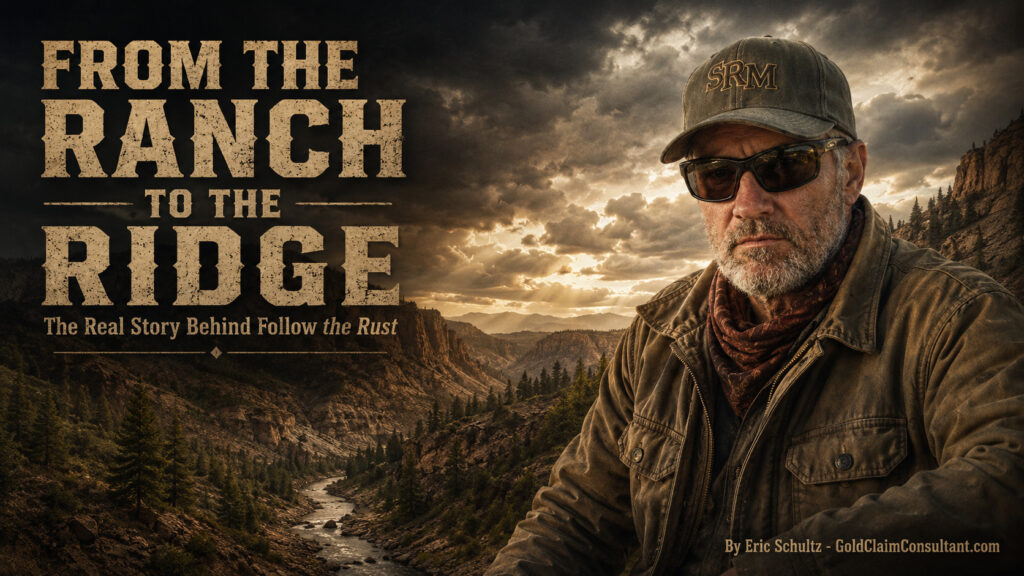
Eric Schultz – Arizona Gold Claims Consultant
I work Arizona ground because it is real mining country. It is not just recreational panning ground or old stories from the territorial days. Arizona has placer gold, lode gold, iron-stained quartz, old diggings, dry washes, hard-rock veins, and historic districts that still deserve attention from anyone serious enough to do the work.
The advantage is simple. In much of Arizona, you can prospect when other states are frozen. Access, water, heat, land status, and terrain all matter, but the field season is one of the best in the country. That makes Arizona especially attractive for buyers looking at active gold claims, exploration ground, or a long-term prospecting base.
Why Arizona Is Underrated for Gold
Arizona gold is not always obvious. That is part of what makes it interesting.
In wetter placer districts, gold often tells on itself through running water, benches, bars, and obvious creek systems. In Arizona, the clues can be more subtle. A dry wash can carry gold. A hillside can shed quartz float from a vein system above it. Iron-stained rock, gossan, breccia, decomposed granite, schist, and old hand workings can all point to a system that is easy to walk past if you do not know what you are looking at.
That is why Arizona rewards field experience. You cannot judge the ground from a satellite image alone. You have to walk it, sample it, test the washes, look at the float, inspect the old workings, and understand how the desert has moved material over time.
Arizona also offers both placer and lode opportunities. Some buyers want a drywashing claim where they can chase coarse placer gold in washes and benches. Others want hard-rock exposure, old shafts, vein systems, or mineralized quartz that can be sampled and assayed. The best Arizona claim is not always the prettiest claim. It is the one with evidence, access, legal standing, and a workable plan.
The Bradshaw Mountains: Serious Gold Country
The Bradshaw Mountains in Yavapai County are one of the most important gold regions in Arizona. This is not new ground. Miners have been working the streams and mountains around the Prescott region since the 1860s, and the Prescott National Forest notes the long mining history of the area.
What makes the Bradshaws worth attention today is the combination of historic production, complex geology, and rough terrain that still leaves room for careful modern prospecting. The ground is not uniform. You can move from desert foothills into chaparral, piñon-juniper country, and higher mountain terrain. The mineralization can show up as oxidized quartz, sulfide-bearing material, old dumps, shallow prospects, veins, stringers, and placer drainages below hard-rock sources.
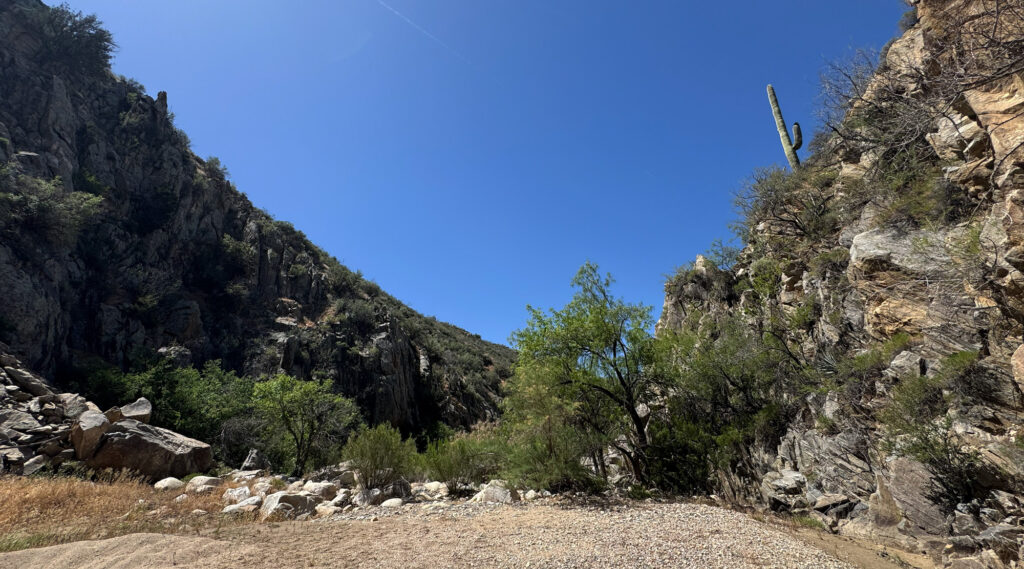
The Bradshaw region is also not just one thing. There are old lode mines, placer drainages, copper-gold-silver systems, and smaller prospects scattered across the range. USGS work on the northern Bradshaw Mountains documents the complicated Precambrian geology of the area, which is part of why the district has supported so much historic mineral activity.
For a claim buyer, that matters. You are not just buying scenery. You are buying position in a mineralized district. In the Bradshaws, ground needs to be judged by structure, drainage, old workings, sample evidence, access, and whether the claim is actually open and properly located. A pretty canyon is not enough. A good Arizona gold claim needs a reason to exist.
Congress, Lynx Creek, Prescott, and Rich Hill
The Bradshaw Mountains are only one part of the Arizona gold picture. Yavapai County alone has several districts that deserve attention.
The Congress area has a long mining history and sits near some of Arizona’s most famous placer and lode ground. It is a good example of the Arizona pattern: historic mines, dry country, washes, hillsides, and mineralized structures that require careful field checking.
Lynx Creek, near Prescott, is one of the better-known recreational placer areas in Arizona. It has introduced many people to Arizona gold, but serious buyers should understand the difference between public recreational areas and valid mining claims. A place can be famous for gold and still not be open for claim location or private work. Land status is everything.
The Prescott area more broadly is important because it sits in one of Arizona’s classic mining regions. It has roads, services, historic context, and access to multiple districts. That does not mean every claim near Prescott is valuable. It means the area has enough mining history and geology to justify serious review.
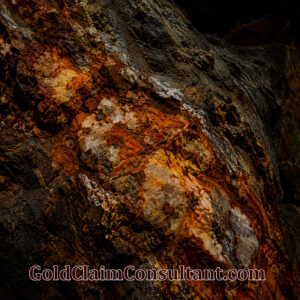 Then there is Rich Hill, in the Weaver district. Rich Hill is widely recognized as one of Arizona’s great placer gold localities, and historical sources describe it as among the most productive placer gold areas in the state. The Weaver or Rich Hill district is located in Yavapai County on the south flank of the Weaver Mountains, according to the USGS placer gold literature.
Rich Hill is important because it shows what Arizona placer ground can do under the right conditions. Coarse gold, old channels, decomposed bedrock, and desert erosion can create exceptional placer concentrations. But famous ground is also heavily claimed, heavily known, and often legally complicated. A buyer should not assume that being near a famous district is the same as owning a good claim. The work is in the details.
Placer vs. Lode Opportunities in Arizona
Arizona claim buyers usually fall into two camps: placer buyers and lode buyers.
A placer buyer is usually looking for gold that has already eroded out of the source rock. That means washes, benches, gulches, old channels, and areas below mineralized hillsides. In Arizona, water is often limited, so drywashing, recirculating systems, sampling pans, and careful test holes become more important than traditional stream panning. Good placer ground should show a logical source, favorable trap zones, workable material, and realistic access.
A lode buyer is looking for the source. That means veins, mineralized quartz, shear zones, old shafts, adits, dumps, iron staining, sulfides, and assay potential. Lode claims can have more upside, but they also require more technical work. A vein showing visible iron and quartz does not automatically mean payable gold. It needs sampling, mapping, assay work, and a realistic understanding of width, continuity, grade, and recovery.
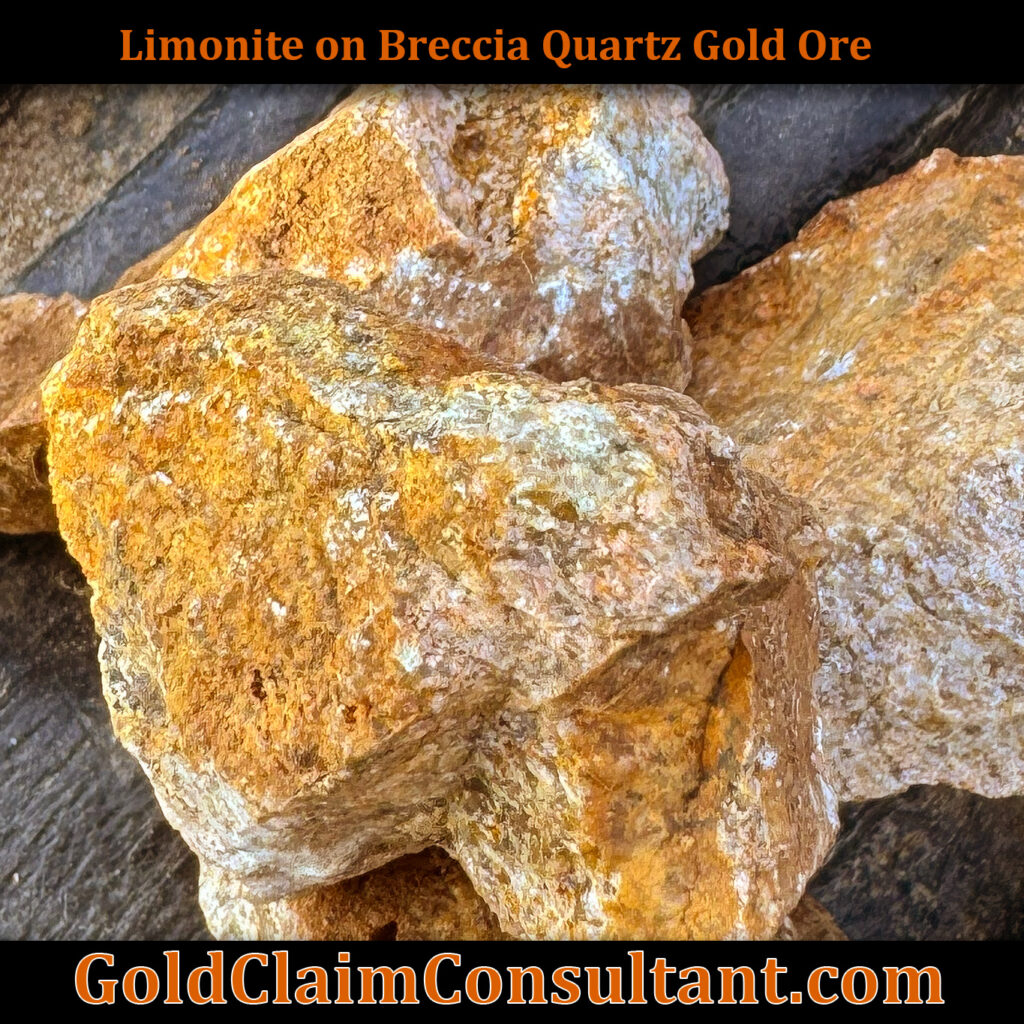
The best situation is when placer and lode evidence support each other. If a drainage carries gold and there is mineralized quartz, old workings, or oxidized vein material above it, that is worth investigating. It still does not prove an ore body, but it gives you a field-based reason to keep working.
Buying an Arizona Gold Claim
Before buying any Arizona gold claim, verify the basics.
First, confirm land status. The Bureau of Land Management states that mining claims can be located on public lands and National Forest System lands that are open to mineral entry, but not in areas withdrawn from mineral entry. That one point eliminates a lot of bad assumptions.
Second, check the claim records. BLM’s Mineral & Land Records System, known as MLRS, is the current online platform for mineral and land records, mapping, tracking, and claim research. Do not rely only on a seller’s map, a social media post, or a verbal claim that the ground is open. Check the records, the county filings, the location notice, the maintenance status, and the actual ground position.
Third, look at access. Arizona terrain can be unforgiving. A claim may be legal, but that does not mean it is practical. Roads wash out. Gates, private land, State Trust Land, Forest Service rules, wilderness boundaries, and seasonal conditions can all affect whether you can work the claim.
Fourth, think about water. In many Arizona districts, water is the limiting factor. A placer claim with no water may still be valuable for drywashing, but the buyer needs to understand that before purchase. A lode claim may not need much water for initial sampling, but any larger testing program will need a plan.
Finally, do not buy a claim just because it has a famous district name attached to it. Buy it because the paperwork is right, the access is real, the geology makes sense, and there is enough field evidence to justify the next round of work.
Arizona Rewards Serious Buyers
Arizona is not a tourist gold state for me. It is a working prospector’s state. The ground is dry, rough, exposed, and often misunderstood, but that is exactly why opportunity still exists.
The Bradshaw Mountains, Congress area, Lynx Creek, Prescott region, Rich Hill, and other historic districts all deserve respect. Some ground is played out. Some is locked up. Some is overpromoted. But some of it still has the right combination of geology, history, access, and overlooked potential.
That is what I look for when evaluating Arizona gold claims for sale. Not hype. Not treasure stories. Not a pretty picture of a wash. I want to see mineralized ground, legal standing, workable access, and a practical path for sampling and development.
For current Arizona claim listings and available opportunities, visit: